Editions 007
Leica
Editions 007
Leica
Editions 007
Leica

Leica has played a defining role in the history of modern photography. Founded in Germany in 1914 by Ernst Leitz, the company became widely recognized after the introduction of the Leica I in 1925, one of the first commercially successful 35mm cameras. Compact, lightweight, and mechanically precise, it fundamentally changed how photographers worked by allowing them to move quickly and capture moments with greater spontaneity and immediacy.
The camera’s portability helped establish 35mm photography as a legitimate medium for journalism, documentary work, and street photography. Throughout the twentieth century, Leica cameras were used by many of the medium’s most influential photographers, including Henri Cartier-Bresson, Robert Capa, Sebastião Salgado, and Alfred Eisenstaedt. Images captured on Leica cameras documented wars, political movements, cultural shifts, and everyday life, helping shape the visual language of modern reportage.
Leica has played a defining role in the history of modern photography. Founded in Germany in 1914 by Ernst Leitz, the company became widely recognized after the introduction of the Leica I in 1925, one of the first commercially successful 35mm cameras. Compact, lightweight, and mechanically precise, it fundamentally changed how photographers worked by allowing them to move quickly and capture moments with greater spontaneity and immediacy.
The camera’s portability helped establish 35mm photography as a legitimate medium for journalism, documentary work, and street photography. Throughout the twentieth century, Leica cameras were used by many of the medium’s most influential photographers, including Henri Cartier-Bresson, Robert Capa, Sebastião Salgado, and Alfred Eisenstaedt. Images captured on Leica cameras documented wars, political movements, cultural shifts, and everyday life, helping shape the visual language of modern reportage.


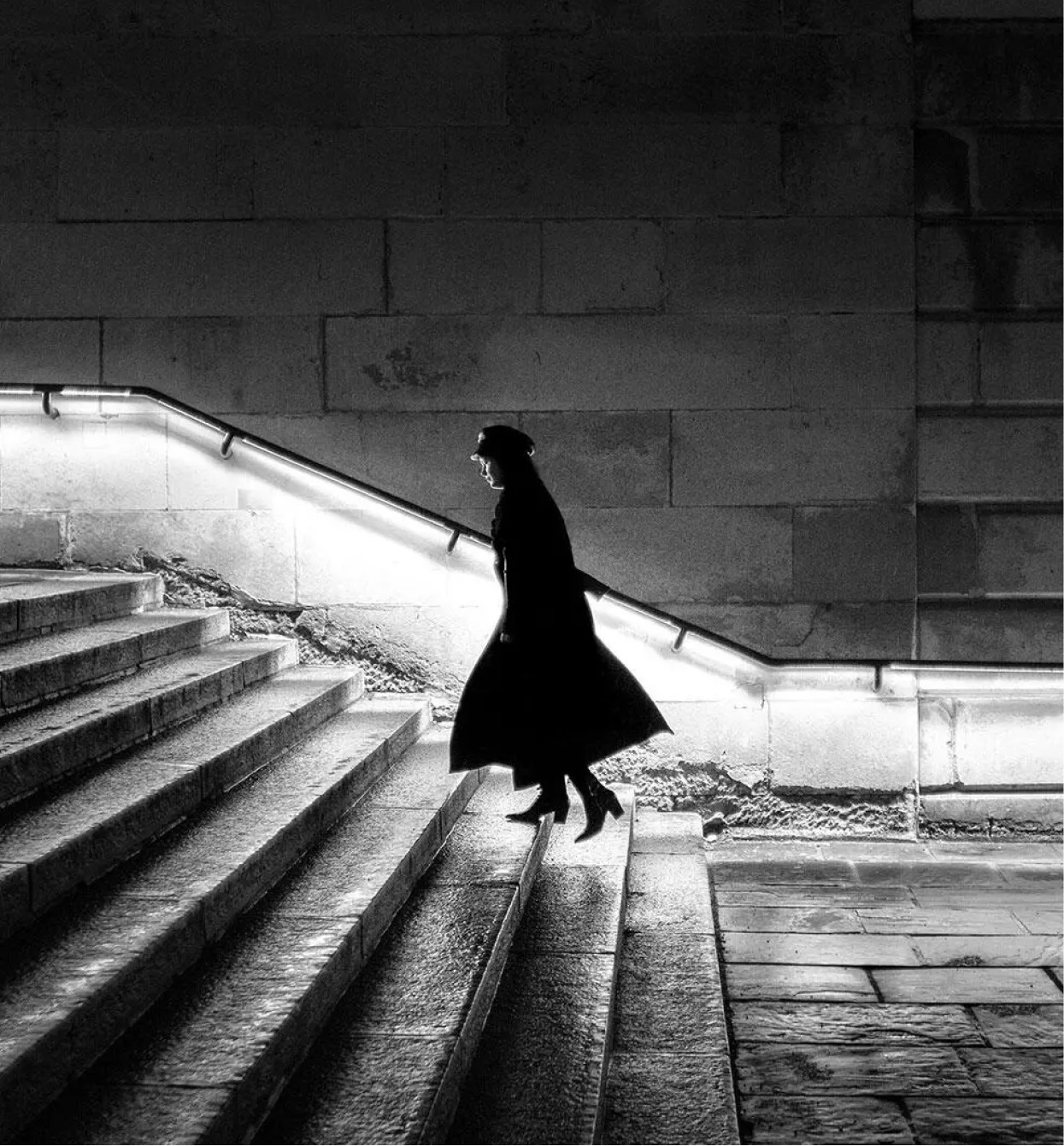
Leica’s influence extends beyond photography into industrial design itself. The company’s products became known for their reductionist approach: minimal controls, durable materials, and a focus on mechanical clarity rather than excess. This philosophy established Leica as both a technical instrument and a cultural object, valued as much for its design discipline as its optical engineering.
Even as photography shifted from film to digital, Leica maintained many of the principles that defined its early cameras. Manual control, tactile interaction, and simplicity remain central to the experience. Rather than prioritizing automation or feature density, Leica continues to emphasize deliberate image-making and the relationship between photographer and subject.
Leica’s influence extends beyond photography into industrial design itself. The company’s products became known for their reductionist approach: minimal controls, durable materials, and a focus on mechanical clarity rather than excess. This philosophy established Leica as both a technical instrument and a cultural object, valued as much for its design discipline as its optical engineering.
Even as photography shifted from film to digital, Leica maintained many of the principles that defined its early cameras. Manual control, tactile interaction, and simplicity remain central to the experience. Rather than prioritizing automation or feature density, Leica continues to emphasize deliberate image-making and the relationship between photographer and subject.

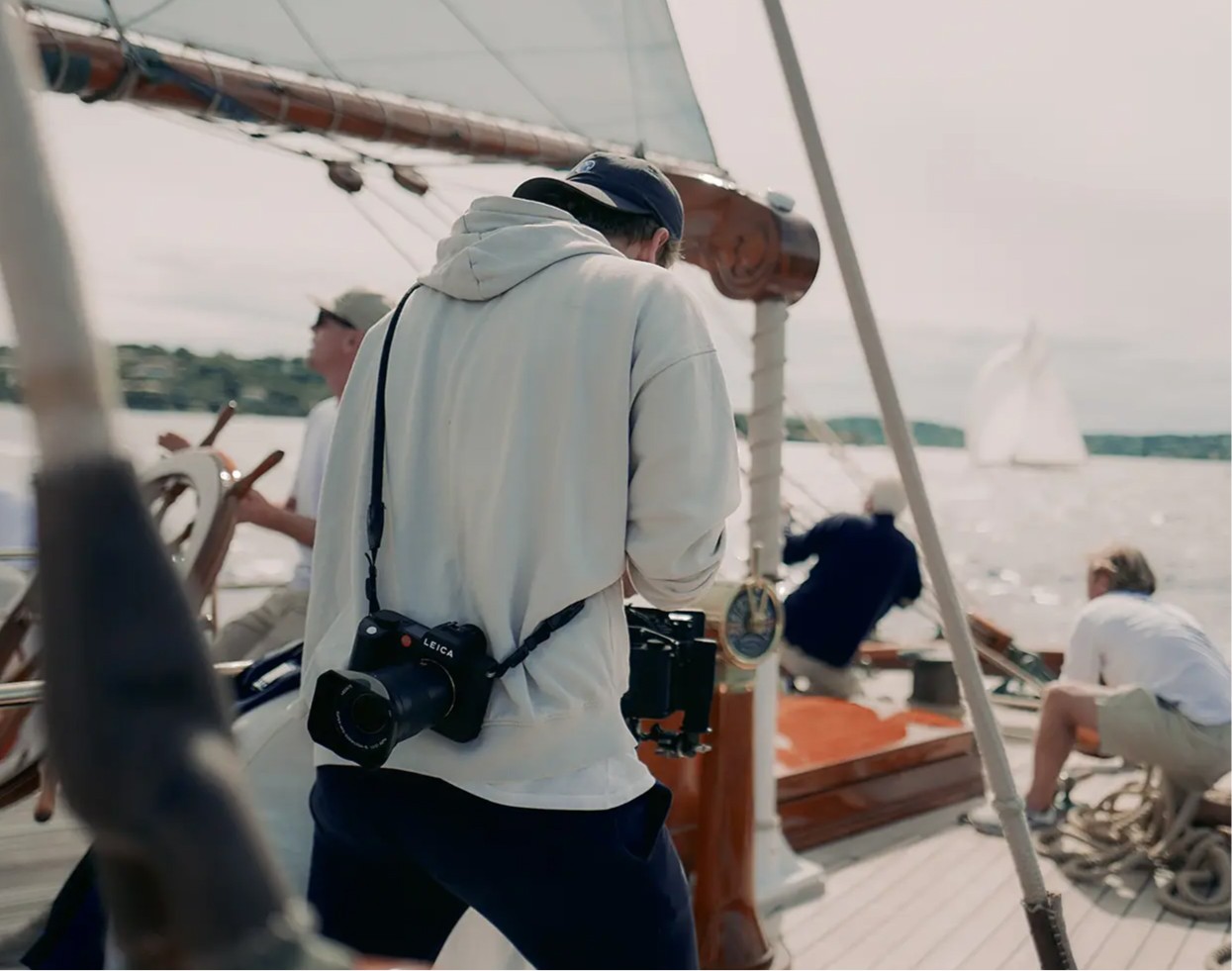


Today, Leica occupies a unique position within visual culture. Its cameras remain closely associated with documentary photography, fine art, architecture, fashion, and design communities worldwide. More than a manufacturer of equipment, Leica represents a longstanding philosophy centered on observation, precision, and intentionality.
Visit site: Leica Cameras
Image Credits:
Alixe Lay
Bret Curry
Alan Schaller
Elias Maria
Lee Jeffries
Today, Leica occupies a unique position within visual culture. Its cameras remain closely associated with documentary photography, fine art, architecture, fashion, and design communities worldwide. More than a manufacturer of equipment, Leica represents a longstanding philosophy centered on observation, precision, and intentionality.
Visit site: Leica Cameras
Image Credits:
Alixe Lay
Bret Curry
Alan Schaller
Elias Maria
Lee Jeffries
Explore
More Editions
Explore
More Editions





Work with us
Social
Services:
Strategy
Brand
Digital
Experiences
Our work spans identity, systems, and digital experiences. We partner closely with founders and teams to define how brands are built, expressed, and evolve over time.
©Moment 2026
Work with us
Our work spans identity, systems, and digital experiences. We partner closely with founders and teams to define how brands are built, expressed, and evolve over time.
Social
Services:
Strategy
Brand
Digital
Experiences
©Moment 2026
Work with us
Our work spans identity, systems, and digital experiences. We partner closely with founders and teams to define how brands are built, expressed, and evolve over time.
Social
Services:
Strategy
Brand
Digital
Experiences
©Moment 2026