Editions 008
Snøhetta
Editions 008
Snøhetta
Editions 008
Snøhetta
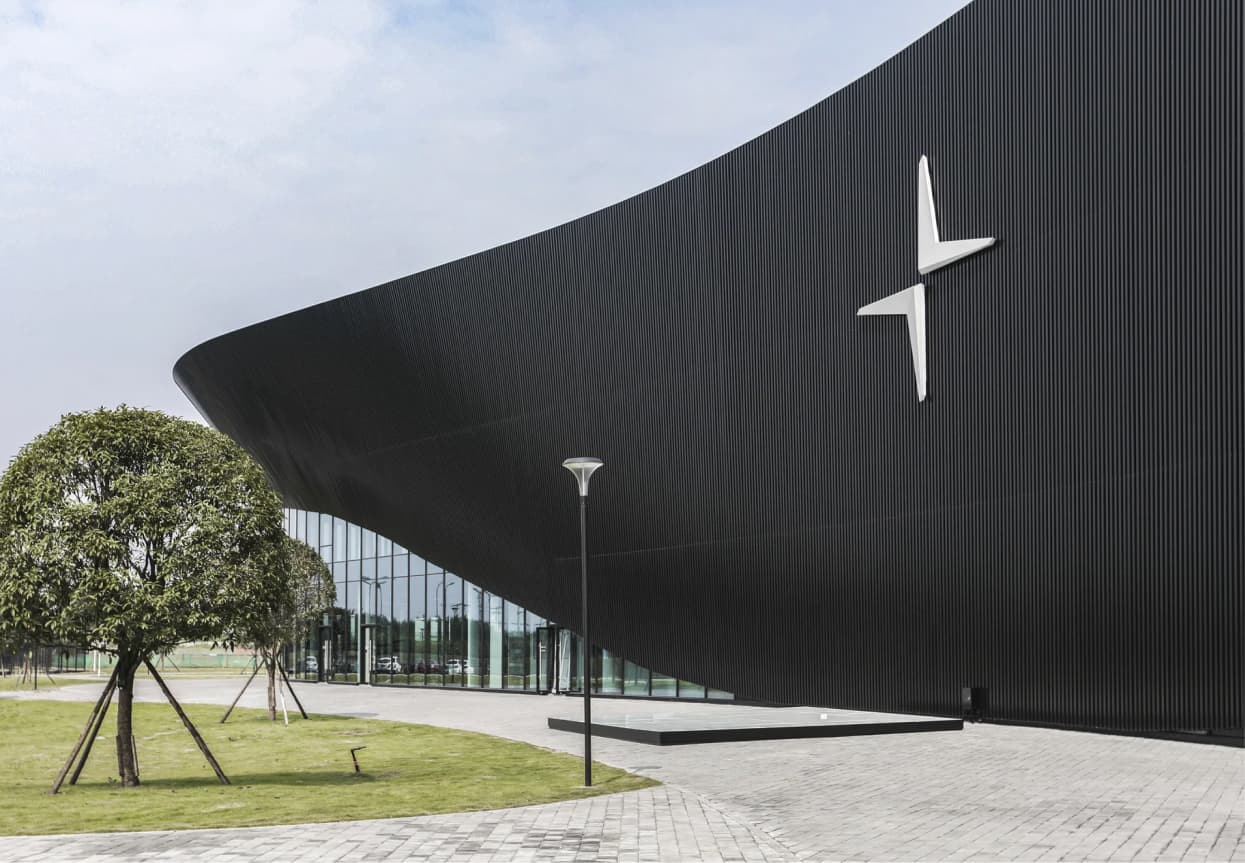
Few design practices have expanded the definition of architecture as successfully as Snøhetta. Founded in Oslo in 1989, the Norwegian studio emerged onto the international stage after winning the competition to design the Bibliotheca Alexandrina in Egypt, a contemporary reimagining of the ancient Library of Alexandria. That early project established a philosophy that continues to define the practice today: architecture should be shaped by culture, landscape, and public experience as much as by form.
Few design practices have expanded the definition of architecture as successfully as Snøhetta. Founded in Oslo in 1989, the Norwegian studio emerged onto the international stage after winning the competition to design the Bibliotheca Alexandrina in Egypt, a contemporary reimagining of the ancient Library of Alexandria. That early project established a philosophy that continues to define the practice today: architecture should be shaped by culture, landscape, and public experience as much as by form.

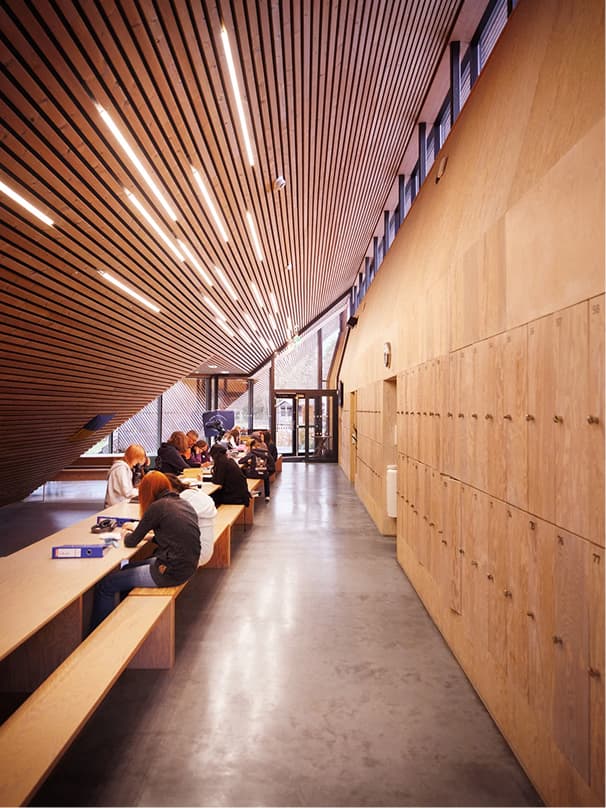


Named after one of Norway's highest mountain peaks, Snøhetta has grown into a global transdisciplinary practice spanning architecture, landscape architecture, interior design, product design, graphic design, and art. Rather than treating these disciplines as separate, the studio approaches them as interconnected parts of a larger system, allowing projects to evolve through collaboration across multiple areas of expertise.
Named after one of Norway's highest mountain peaks, Snøhetta has grown into a global transdisciplinary practice spanning architecture, landscape architecture, interior design, product design, graphic design, and art. Rather than treating these disciplines as separate, the studio approaches them as interconnected parts of a larger system, allowing projects to evolve through collaboration across multiple areas of expertise.
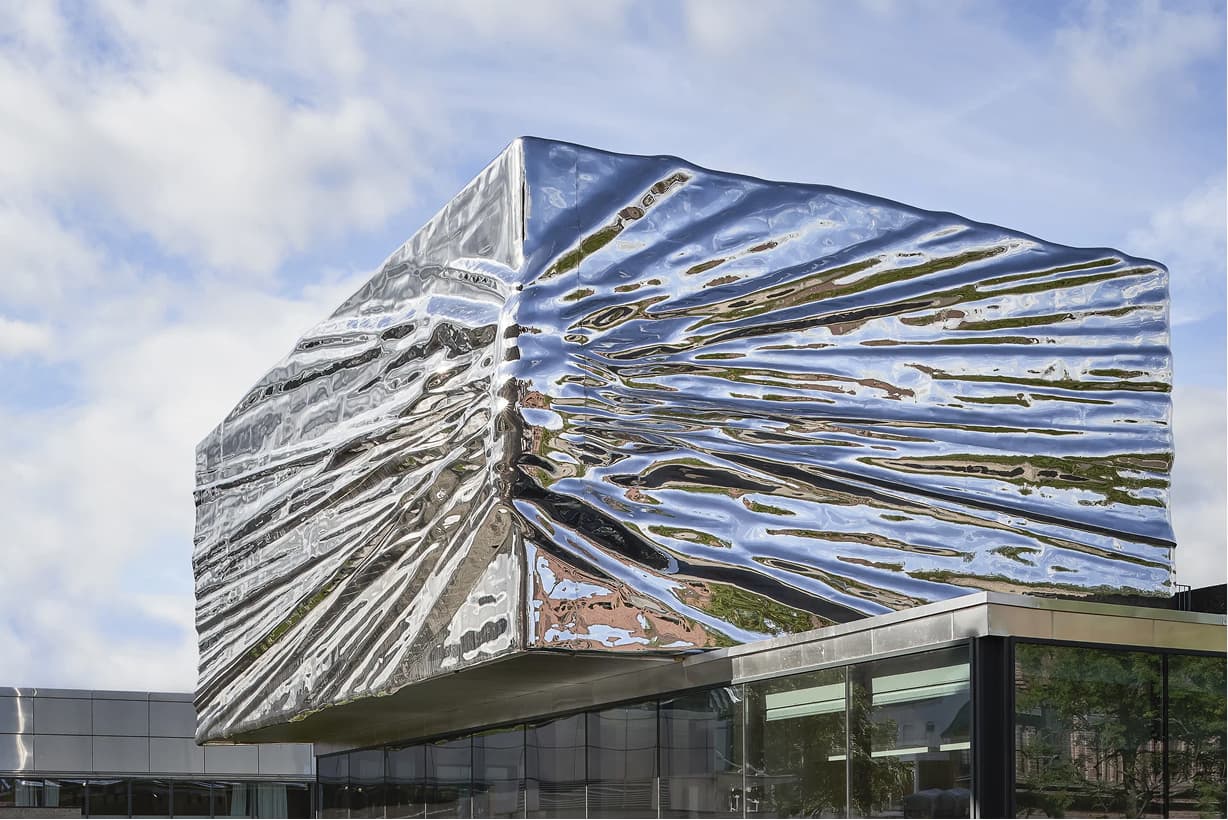
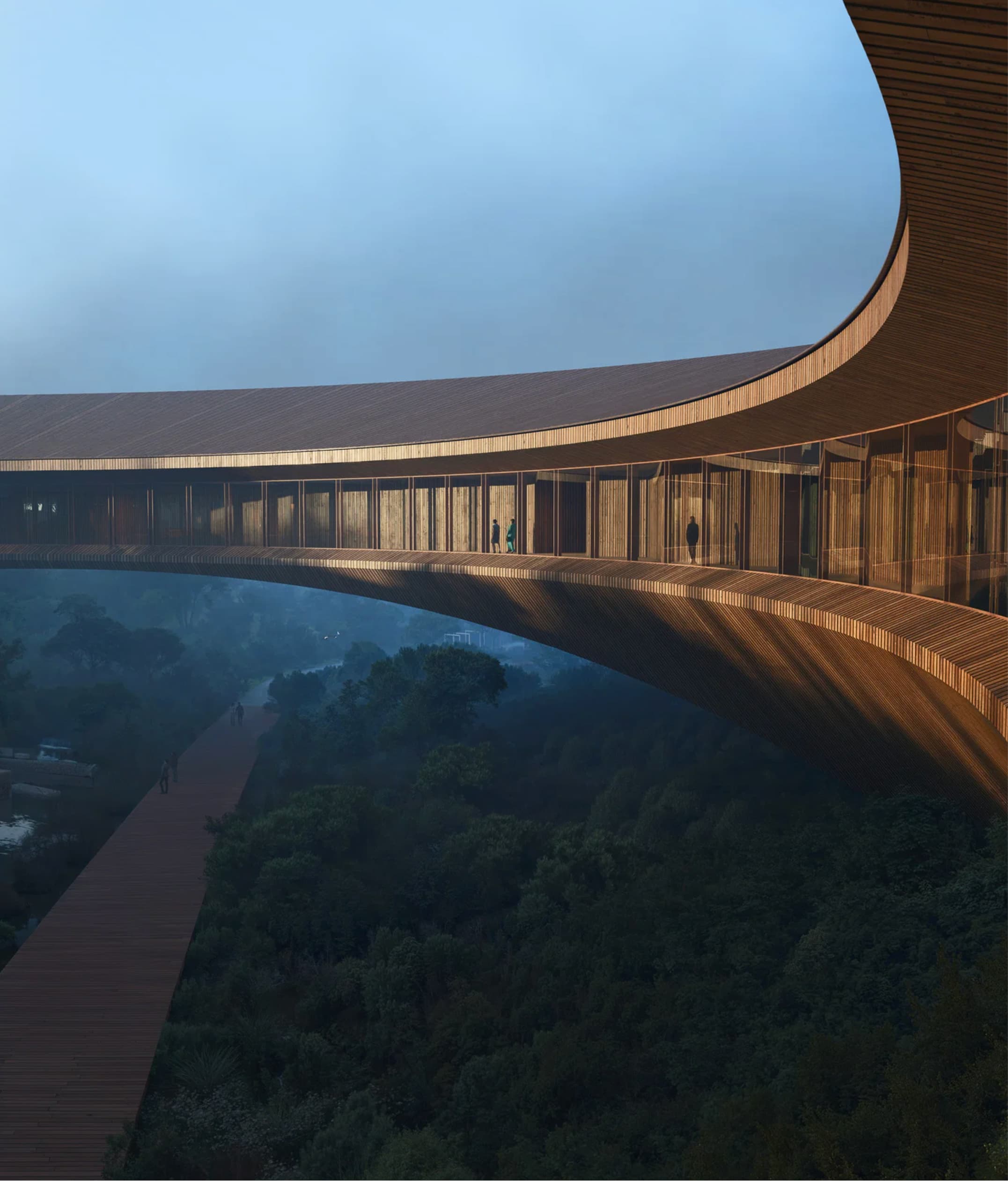
Over the past three decades, Snøhetta has become responsible for some of the world's most recognizable cultural projects. The Oslo Opera House transformed the relationship between architecture and public space by allowing visitors to walk directly onto the building's sloped roof. The National September 11 Memorial Museum Pavilion in New York helped define a site of global significance, while the expansion of the San Francisco Museum of Modern Art demonstrated the studio's ability to work across vastly different cultural contexts.
Over the past three decades, Snøhetta has become responsible for some of the world's most recognizable cultural projects. The Oslo Opera House transformed the relationship between architecture and public space by allowing visitors to walk directly onto the building's sloped roof. The National September 11 Memorial Museum Pavilion in New York helped define a site of global significance, while the expansion of the San Francisco Museum of Modern Art demonstrated the studio's ability to work across vastly different cultural contexts.
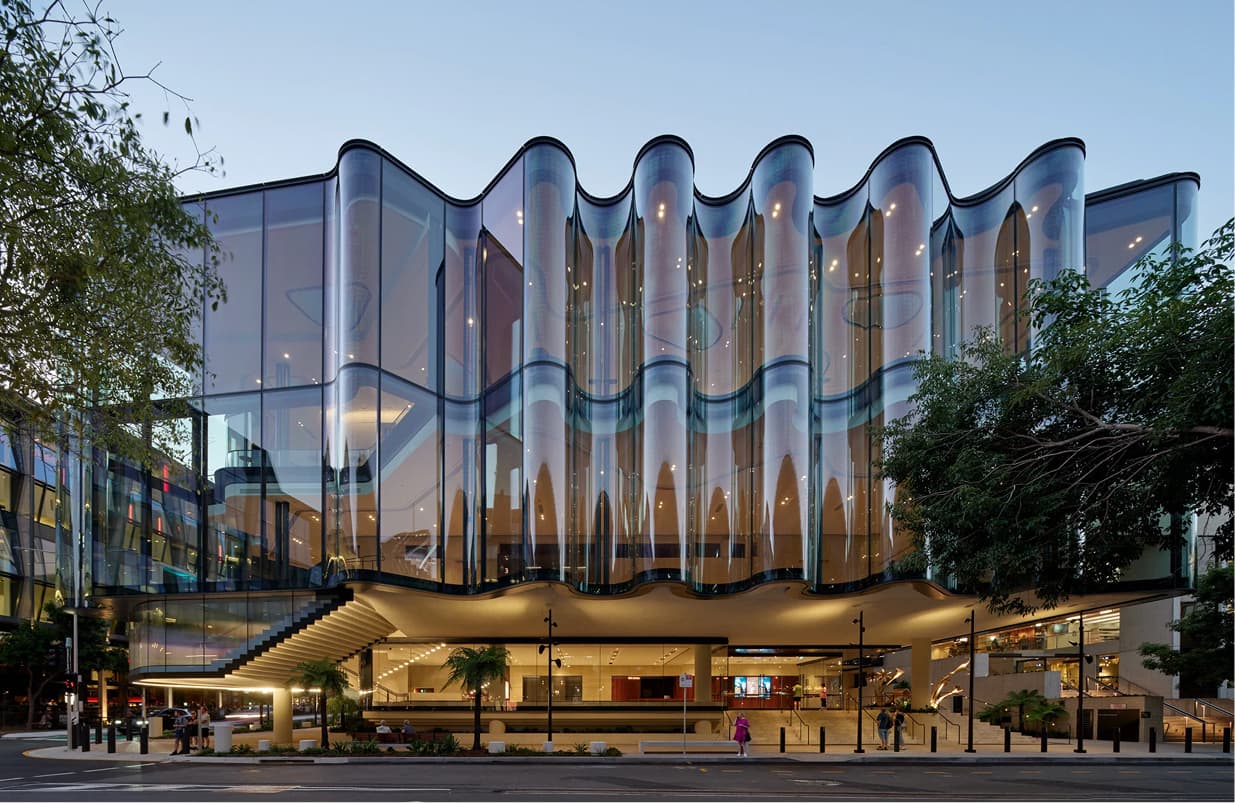
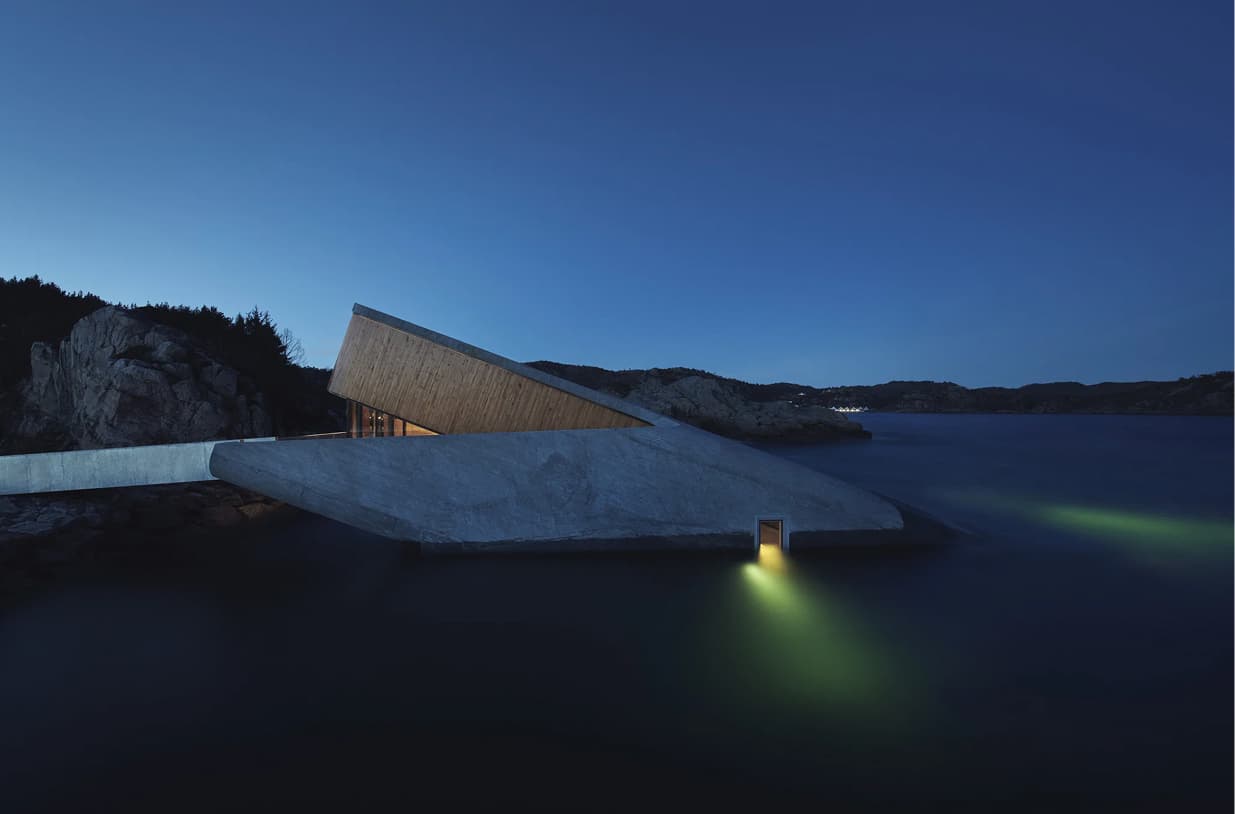
A consistent theme throughout Snøhetta's work is the relationship between people and place. Whether designing an opera house, a public square, a museum, or an underwater restaurant, the studio often blurs the boundary between the built environment and the surrounding landscape. Projects are designed not simply as objects, but as experiences that encourage interaction, movement, and collective ownership.
A consistent theme throughout Snøhetta's work is the relationship between people and place. Whether designing an opera house, a public square, a museum, or an underwater restaurant, the studio often blurs the boundary between the built environment and the surrounding landscape. Projects are designed not simply as objects, but as experiences that encourage interaction, movement, and collective ownership.
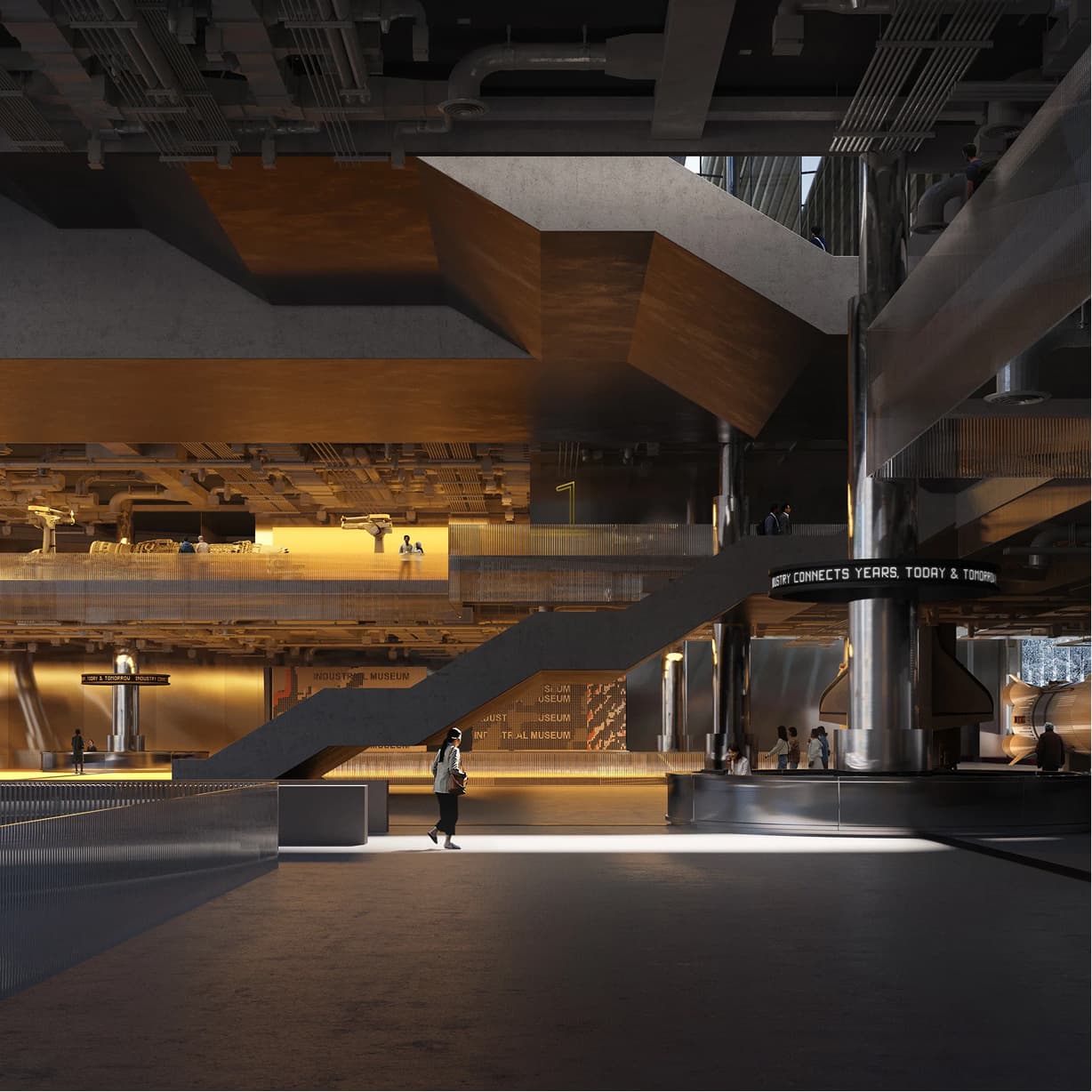
In an era where many studios specialize narrowly, Snøhetta remains notable for its breadth. Its projects demonstrate how architecture can operate as part of a larger cultural ecosystem, one that includes design, technology, landscape, communication, and public life. More than a style, Snøhetta represents a way of thinking about design as a tool for connection, participation, and long-term relevance.
Explore more:
snohetta.com
In an era where many studios specialize narrowly, Snøhetta remains notable for its breadth. Its projects demonstrate how architecture can operate as part of a larger cultural ecosystem, one that includes design, technology, landscape, communication, and public life. More than a style, Snøhetta represents a way of thinking about design as a tool for connection, participation, and long-term relevance.
Explore more:
snohetta.com
In an era where many studios specialize narrowly, Snøhetta remains notable for its breadth. Its projects demonstrate how architecture can operate as part of a larger cultural ecosystem, one that includes design, technology, landscape, communication, and public life. More than a style, Snøhetta represents a way of thinking about design as a tool for connection, participation, and long-term relevance.
Explore more: snohetta.com
Explore
More Editions
Explore
More Editions






Work with us
Social
Services:
Strategy
Brand
Digital
Experiences
Our work spans identity, systems, and digital experiences. We partner closely with founders and teams to define how brands are built, expressed, and evolve over time.
©Moment 2026
Work with us
Our work spans identity, systems, and digital experiences. We partner closely with founders and teams to define how brands are built, expressed, and evolve over time.
Social
Services:
Strategy
Brand
Digital
Experiences
©Moment 2026
Work with us
Our work spans identity, systems, and digital experiences. We partner closely with founders and teams to define how brands are built, expressed, and evolve over time.
Social
Services:
Strategy
Brand
Digital
Experiences
©Moment 2026